
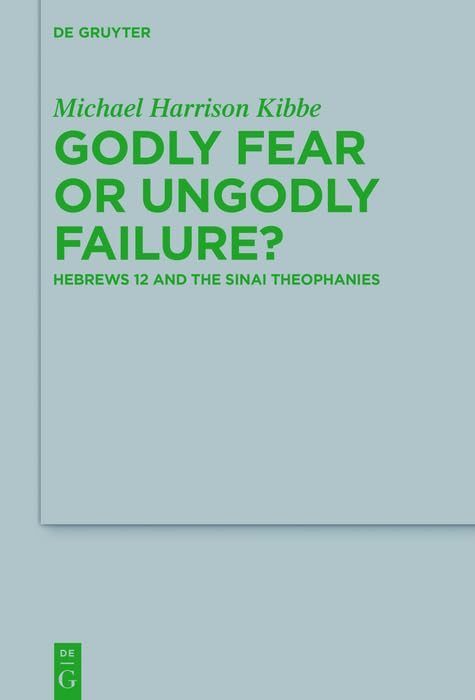
Godly Fear or Ungodly Failure?: Hebrews 12 and the Sinai Theophanies (Beihefte zur Zeitschrift für die neutestamentliche Wissenschaft Book 216)
Product details
| Management number | 231934542 | Release Date | 2026/06/18 | List Price | US$51.59 | Model Number | 231934542 | ||
|---|---|---|---|---|---|---|---|---|---|
| Category | |||||||||
A cursory glance at Hebrews' critique of Israel's fear at Sinai in Heb 12:18-29 suggests that the author has misunderstood or manipulated his sources. In the Pentateuch, the appointment of Moses as Israel's mediator receives explicit approval (Exod 19:9; Deut 5:28), while Heb 12:25 labels their request for mediation a "refusal" to heed the word of God. This book argues that Hebrews' use of the Sinai narratives resides on a complex trajectory established by four points: the Sinai covenant according to Exodus, the reenactment of that covenant according to Deuteronomy, the call for a NEW covenant according to Jeremiah, and the present reality of that covenant established by God and mediated by Jesus Christ.The basis for Hebrews' critique arises from its insight that while Israel's request established covenant-from-a-distance, Jesus demonstrates that true covenant mediation brings two parties into a single space. The purpose for Hebrews critique lies in its summons to Zion, the mountain on which Jesus sits at the right hand of God as the high priestly mediator of the new covenant. Read more
| ASIN | B01FP8HEAK |
|---|---|
| XRay | Not Enabled |
| ISBN13 | 978-3110422764 |
| Edition | 1st |
| Language | English |
| File size | 16.3 MB |
| Page Flip | Enabled |
| Publisher | De Gruyter |
| Word Wise | Not Enabled |
| Print length | 537 pages |
| Accessibility | Learn more |
| Book 61 of 72 | Beihefte zur Zeitschrift für die neutestamentliche Wissenschaft |
| Screen Reader | Supported |
| Publication date | May 10, 2016 |
| Enhanced typesetting | Enabled |
Bestseller ranking
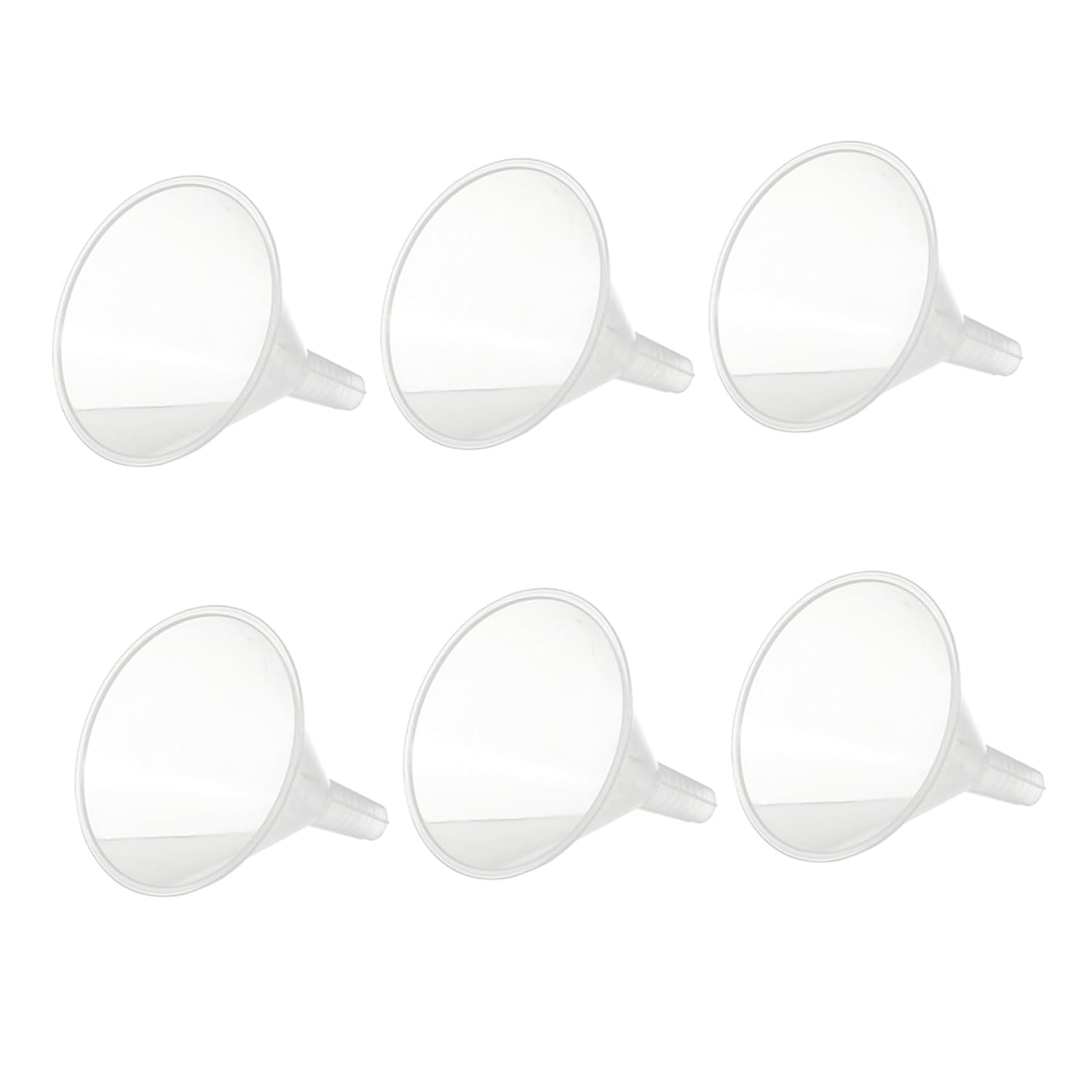
Filling Funnels



Customers who viewed this product also viewed
Exegesis & Hermeneutics


Correction of product information
If you notice any omissions or errors in the product information on this page, please use the correction request form below.
Correction Request Form